
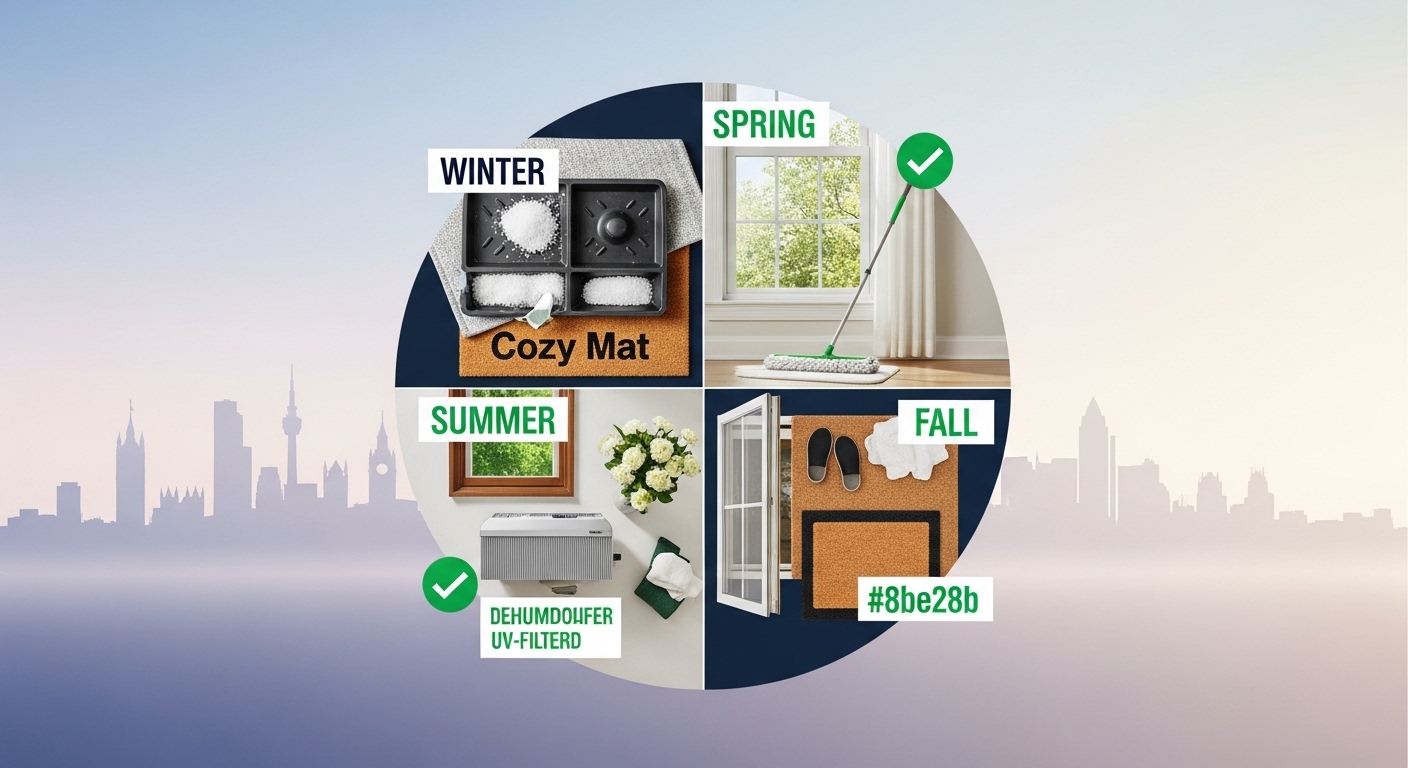
Flooring Maintenance Calendar for London Homes: Seasonal Care Checklist
Living in London, Ontario means embracing four distinct seasons — and four distinct challenges for your flooring. Winter brings road salt tracked in from Wonderland Road. Spring humidity rises from the Thames River valley, testing moisture barriers. Summer heat and pollen settle into fibres. Fall leaves and mud create a perfect storm for surface abrasion. If you've ever noticed your floors looking duller after a harsh January or felt that subtle expansion in your laminate during a humid July, you already know: flooring isn't a "set it and forget it" investment.
From the river flats near Wortley Village to the clay-rich yards of Masonville, London's weather can change quickly enough to surprise even experienced homeowners. That means a well-installed floor is just the beginning; consistent seasonal care is what keeps your finish looking fresh, your seams tight, and your warranty intact.
After helping hundreds of London homeowners select and install flooring over the past decade, we've learned that the difference between a floor that lasts 15 years and one that needs replacing in 7 often comes down to one thing: seasonal maintenance. This guide gives you a practical, month-by-month care calendar tailored specifically to London's climate, soil, and lifestyle — with actionable steps for laminate, luxury vinyl, tile, and natural stone. No fluff, no generic advice. Just what works in the Forest City.
Why London's Climate Is Uniquely Hard on Floors
Before diving into the seasonal checklist, it's important to understand why London, Ontario presents such specific challenges. Our location in Southwestern Ontario means we experience:
- Extreme temperature swings: From -20°C in January to +30°C in July, causing constant expansion and contraction
- High humidity variance: Winter indoor humidity can drop to 20%, while summer outdoor humidity exceeds 70%
- Clay-heavy soil: London's clay soil retains moisture and shifts with freeze-thaw cycles, affecting subfloors
- Road salt exposure: Six months of salt and sand tracked through homes
- Thames River valley moisture: Neighborhoods near the river experience higher baseline humidity
Understanding these factors helps explain why a maintenance routine that works in Calgary or Toronto might fail in London. Our proximity to the Thames River means moisture can arrive faster than the forecast suggests, and the heavy clay soils around the city keep basements and ground floors damper than many homeowners expect. For more on how our climate affects flooring choices, see our guide on the best flooring for London's 4-season climate.
Winter (December–February): Salt, Slush & Dry Heat Defense
London's winter trio — road salt, freezing slush, and forced-air heating — creates unique flooring stressors. Salt is corrosive to finishes and can etch stone surfaces. Slush introduces moisture that seeps into seams. Dry indoor air (often below 30% humidity) causes wood fibres to contract, leading to gaps in hardwood or clicking sounds in laminate.
✅ Your Winter Checklist:
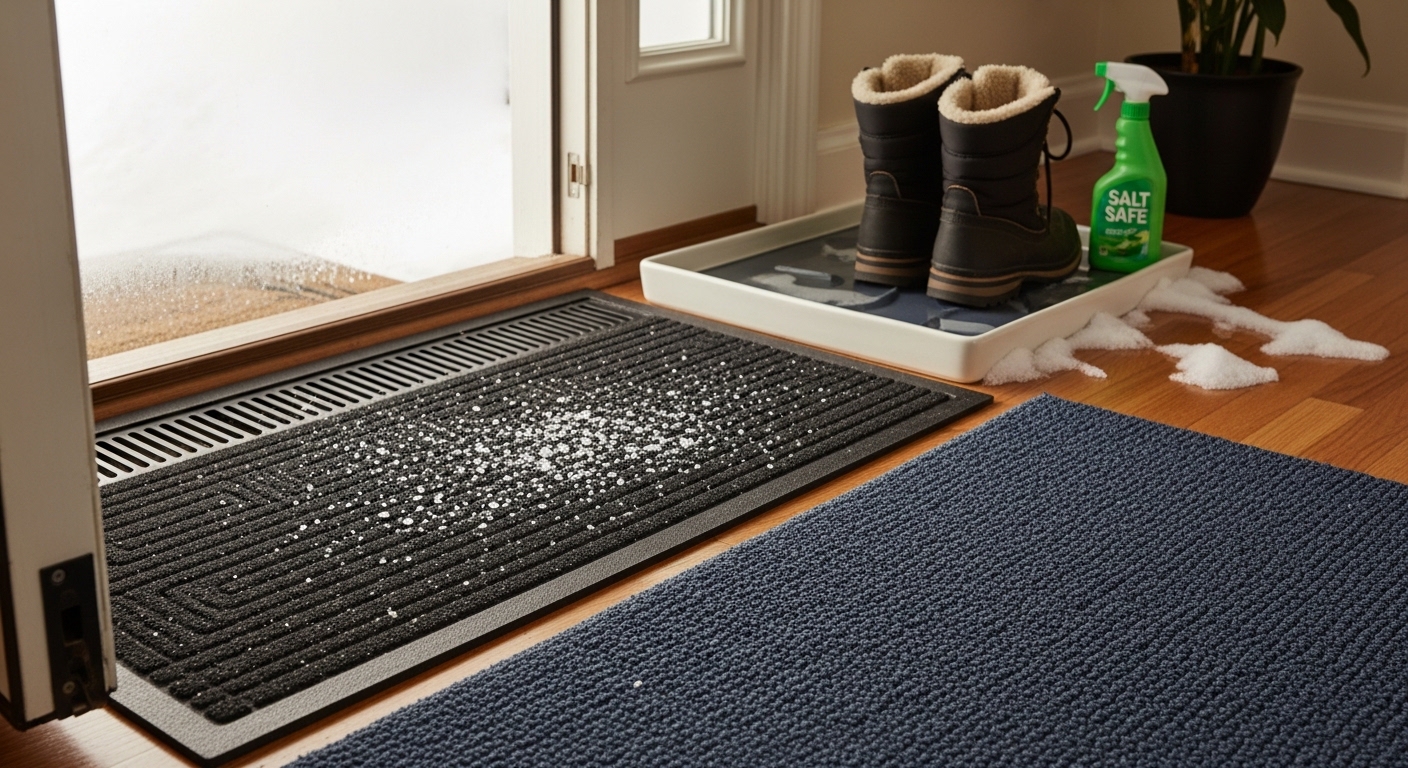
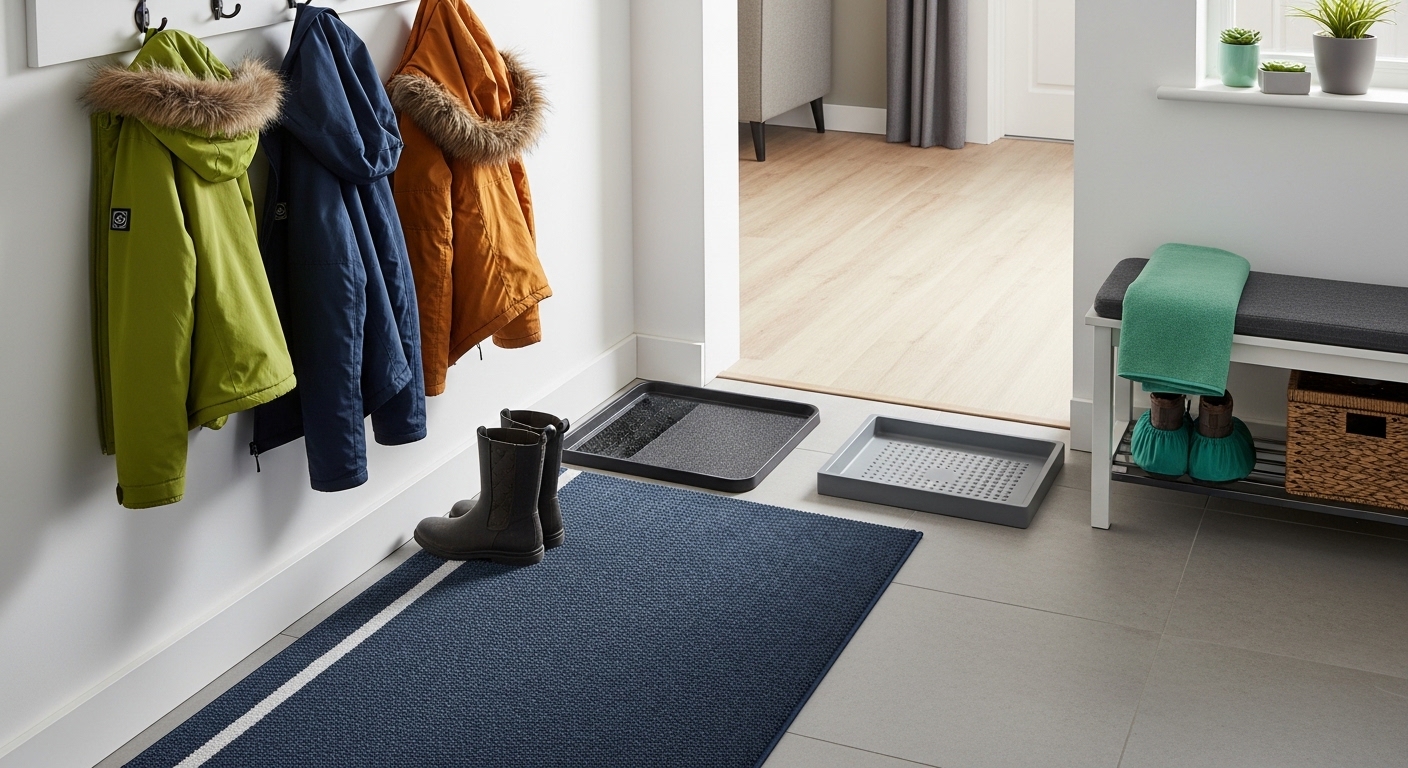
- Entryway protocol: Place a 36"+ heavy-duty scraper mat outside and a water-absorbent runner inside every exterior door. Shake out mats weekly to prevent salt buildup, and replace them if they become compressed or waterlogged.
- Immediate spill response: Wipe salt residue or slush within 10 minutes using a slightly damp microfibre cloth — never let moisture sit on laminate or hardwood seams. Keep a winter care kit by the door with extra cloths, a mild cleaner, and a small bottle of floor-friendly solution.
- Humidity control: Maintain indoor humidity between 35–45% using a humidifier. This prevents hardwood gapping and reduces static that attracts dust to vinyl surfaces. Clean humidifier tanks weekly to avoid mineral dust and mould spores.
- Cleaning adjustment: Switch to a pH-neutral cleaner for tile grout (salt accelerates grout deterioration) and avoid ammonia-based products on laminate, which can dull the wear layer. When rinsing, use clean water to remove any residue from floor cleaners.
- Weekly inspection: Check high-traffic zones for salt buildup, particularly near entryways and mudrooms. Look for dull patches or discolouration that may indicate abrasive salt crystals embedding in the finish.
Winter Care by Flooring Type:
Laminate Flooring
Winter is laminate's biggest test. The combination of dry air and tracked-in moisture creates a perfect storm. Use a pet-friendly cleaning routine even if you don't have pets — the same principles apply to salt and slush. Never use steam mops, and always dry-mop first to remove abrasive particles before damp-mopping.
Luxury Vinyl (LVP/SPC)
Vinyl handles winter better than most materials, but salt can leave a hazy film. Clean weekly with a vinyl-specific cleaner and rinse thoroughly. Check seams around entryways for any signs of lifting or moisture intrusion.
Hardwood
Hardwood requires the most winter vigilance. Beyond humidity control, use area rugs in high-traffic zones to protect the finish from salt abrasion. If gaps appear between boards, don't panic — they typically close when humidity rises in spring. However, gaps wider than 2mm warrant professional assessment.
Tile & Stone
Porcelain and ceramic tile are winter warriors, but grout is vulnerable. Seal grout annually before winter begins. For natural stone like marble or granite in entryways, use stone-specific cleaners only — salt and acidic residues etch permanently.
Pro tip for London homeowners: Keep a dedicated "winter shoe bin" by the door. Encouraging family and guests to swap outdoor footwear immediately reduces tracked-in abrasives by up to 80% — a simple habit that dramatically extends floor life.
Spring (March–May): Moisture Management & Deep Reset
As temperatures rise, London experiences rapid humidity swings — from dry March days to damp May mornings. This is when moisture-related issues surface: cupping in hardwood, swelling at laminate joints, or mildew odours in basement vinyl. Spring is also peak pollen season, which settles into textured flooring surfaces and adds a fine layer of grit that shortens wear layers if left unattended.
✅ Your Spring Checklist:
- Subfloor inspection: Check basement and main-floor edges for moisture intrusion after snowmelt. Look for darkening at baseboards or a musty smell — early signs of vapor barrier compromise.
- Deep clean grout & seams: Use a soft brush and oxygen-based cleaner on tile grout lines. For laminate and LVP, run a dry vacuum with a soft brush attachment along plank edges to remove trapped pollen.
- Reassess humidity: As outdoor humidity rises, reduce humidifier use. Aim for 40–50% indoor humidity to prevent wood expansion without encouraging mold.
- Refresh protective coatings: For hardwood, inspect high-traffic zones for worn finish. A light screen-and-recoat (not full sanding) can restore protection before summer wear begins.
- Basement moisture check: If you have vinyl flooring in your basement, inspect for any signs of moisture migration through the concrete slab.
Spring Deep-Clean Techniques:
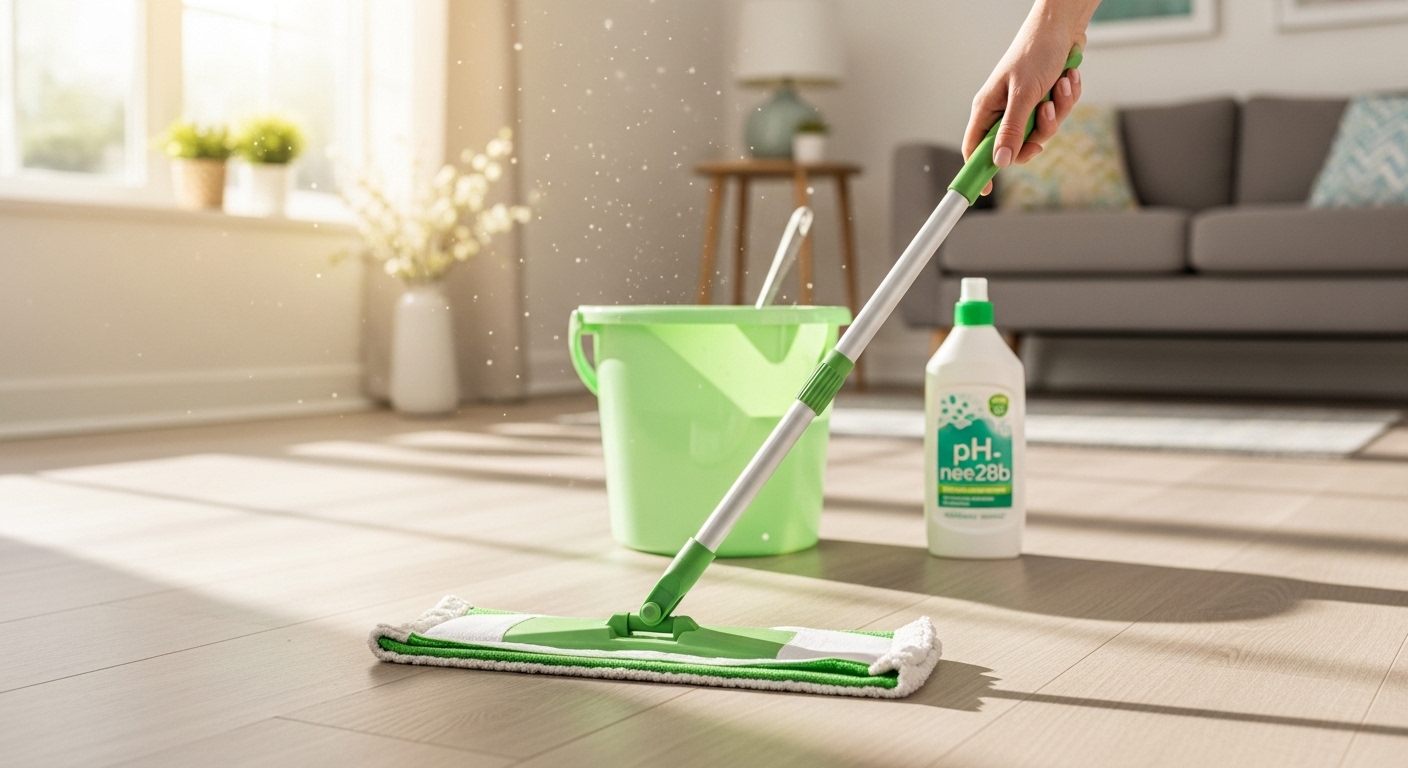
Spring cleaning your floors isn't just about appearance — it's about removing the accumulated damage from winter. Here's how to do it right:
- For laminate: Use a laminate-specific cleaner diluted according to instructions. Never saturate the surface — use a well-wrung mop and dry immediately with a clean towel.
- For vinyl: Mix warm water with a few drops of dish soap. Mop, then rinse with clean water to prevent soap residue buildup.
- For hardwood: Use a hardwood cleaner approved by your manufacturer. Avoid vinegar solutions, which can dull the finish over time.
- For tile grout: Make a paste of baking soda and water. Apply to grout lines, let sit 10 minutes, then scrub gently with a soft brush. Rinse thoroughly.
Summer (June–August): Heat, Humidity & High Traffic
London summers bring high humidity (often 70%+), open windows, and increased foot traffic from patios, gardens, and summer gatherings. Humidity causes wood to expand — which can lead to buckling if expansion gaps were improperly sized during installation. Sunlight through south-facing windows can also fade certain flooring finishes over time.
✅ Your Summer Checklist:
- Monitor expansion gaps: Ensure baseboards and transition strips aren't pressing against flooring edges. A 1/4" gap around perimeter walls is critical for wood and laminate to expand safely.
- UV protection: Use sheer curtains or UV-filtering window film on sun-exposed rooms to minimize fading in hardwood and luxury vinyl. Rotate area rugs seasonally to ensure even wear.
- Outdoor transition care: Place absorbent mats at patio doors to catch dew, pool water, or garden soil. Wipe vinyl and tile entries nightly during high-humidity weeks to prevent slippery film buildup.
- Ventilation strategy: Run exhaust fans in kitchens and bathrooms during cooking or showers. This prevents localized humidity spikes that can warp flooring near moisture sources.
- Dehumidifier use: In basements and ground-floor spaces, run a dehumidifier to maintain 45-50% humidity, preventing moisture-related damage.
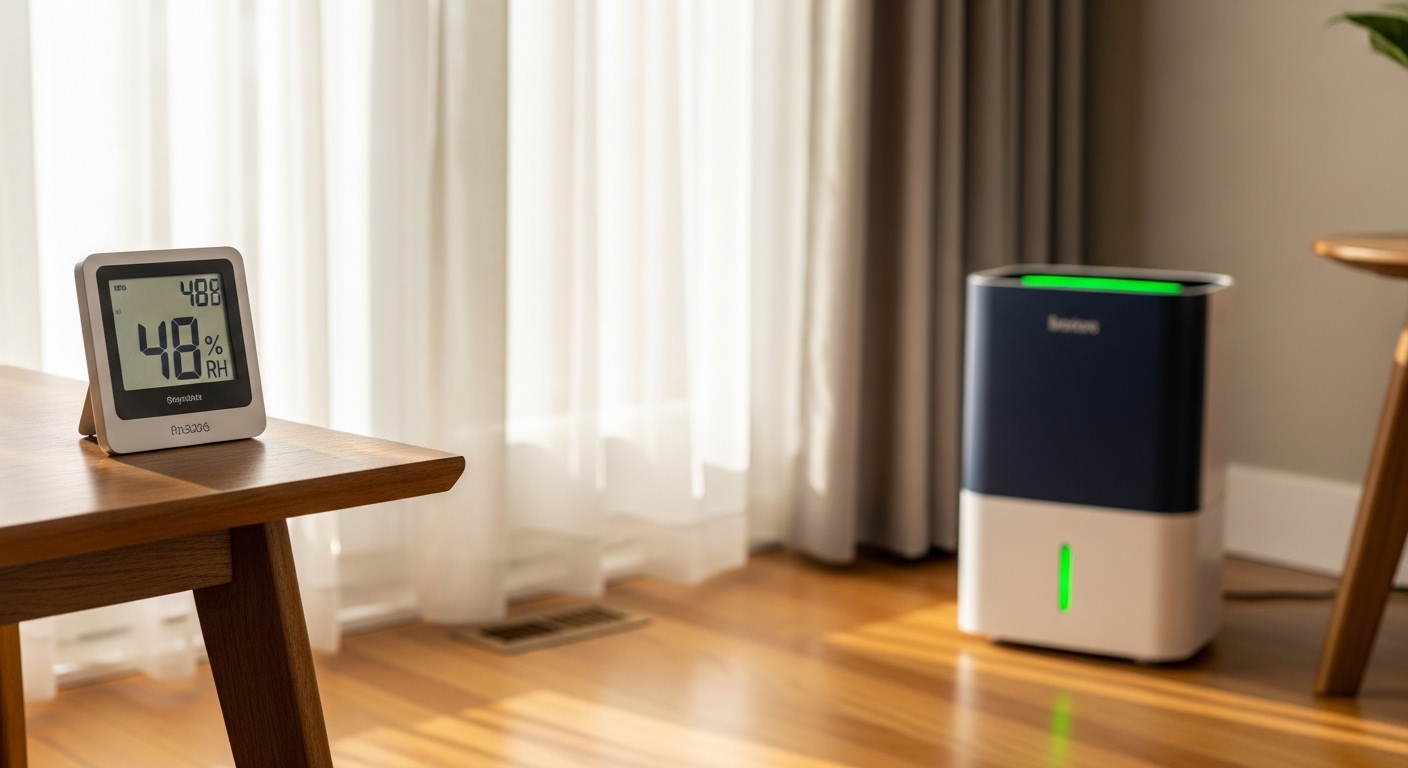
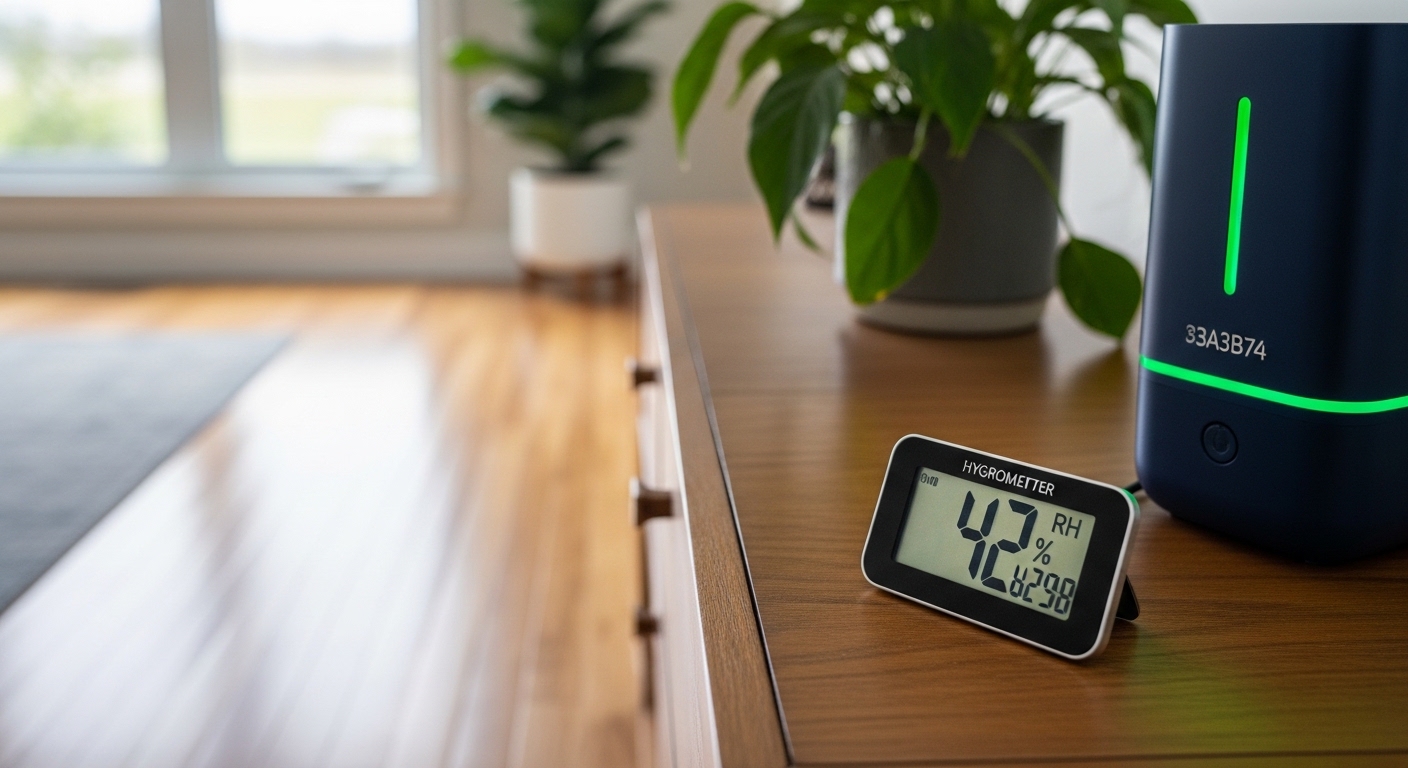
Summer-Specific Challenges:
London's clay-heavy soil retains moisture. If your home has a crawl space or slab-on-grade construction, rising ground moisture in summer can affect flooring above — especially in older homes in areas like South London or East London. Patio doors, pool entries, and garden foot traffic are frequent sources of hidden moisture, and a sudden storm can turn a dry floor into a moisture problem overnight.
- Flooring that feels spongy or soft underfoot
- Musty odours, particularly in basements or ground-floor rooms
- Visible darkening or staining at plank edges
- Buckling or cupping that worsens through the summer
- Wet spots near door thresholds after rain
Summer also introduces seasonal traffic from backyard entertaining and kids coming in from the yard. Protect your floors with absorbent mats at every garden door, and keep a shoe bin near the entrance to avoid dragging mud, grass, or spilled plant water across your finish.
If you notice any of these issues, contact a professional immediately. Early intervention can often save the flooring; waiting until fall may mean complete replacement. In the meantime, increase ventilation, run a dehumidifier, and move furniture slightly to help airflow around affected areas.
Fall (September–November): Prep for Winter & Final Reset
Fall is your strategic preparation window. Leaves, mud, and early frost create abrasive mixtures that accelerate surface wear. This is also the ideal time to address minor issues before winter locks them in and makes repairs harder.
✅ Your Fall Checklist:
- Professional inspection: Schedule a quick flooring check with a London specialist. They can spot early signs of wear, moisture issues, or seam separation that DIY inspections miss.
- Reapply protective products: For hardwood, apply a fresh coat of manufacturer-approved polish to high-traffic zones. For laminate and LVP, use a recommended floor refresher to restore the wear layer's protective properties.
- Entryway refresh: Replace worn entry mats before winter hits. A fresh, high-quality mat is your first line of defense against salt and abrasives.
- Humidifier prep: Service your humidifier in October. Clean tanks and replace filters to ensure it's ready to combat dry winter air without introducing mold or mineral dust.
- Grout resealing: If your tile grout wasn't sealed in spring, do it now before winter salt season begins.
- Door and threshold checks: Inspect weatherstripping on exterior doors and patio thresholds to stop rain and melting frost from reaching the floor.
- Leaf and grit control: Sweep leaves and debris from entryways daily during wet weeks so that the mud they bring inside stays outside.
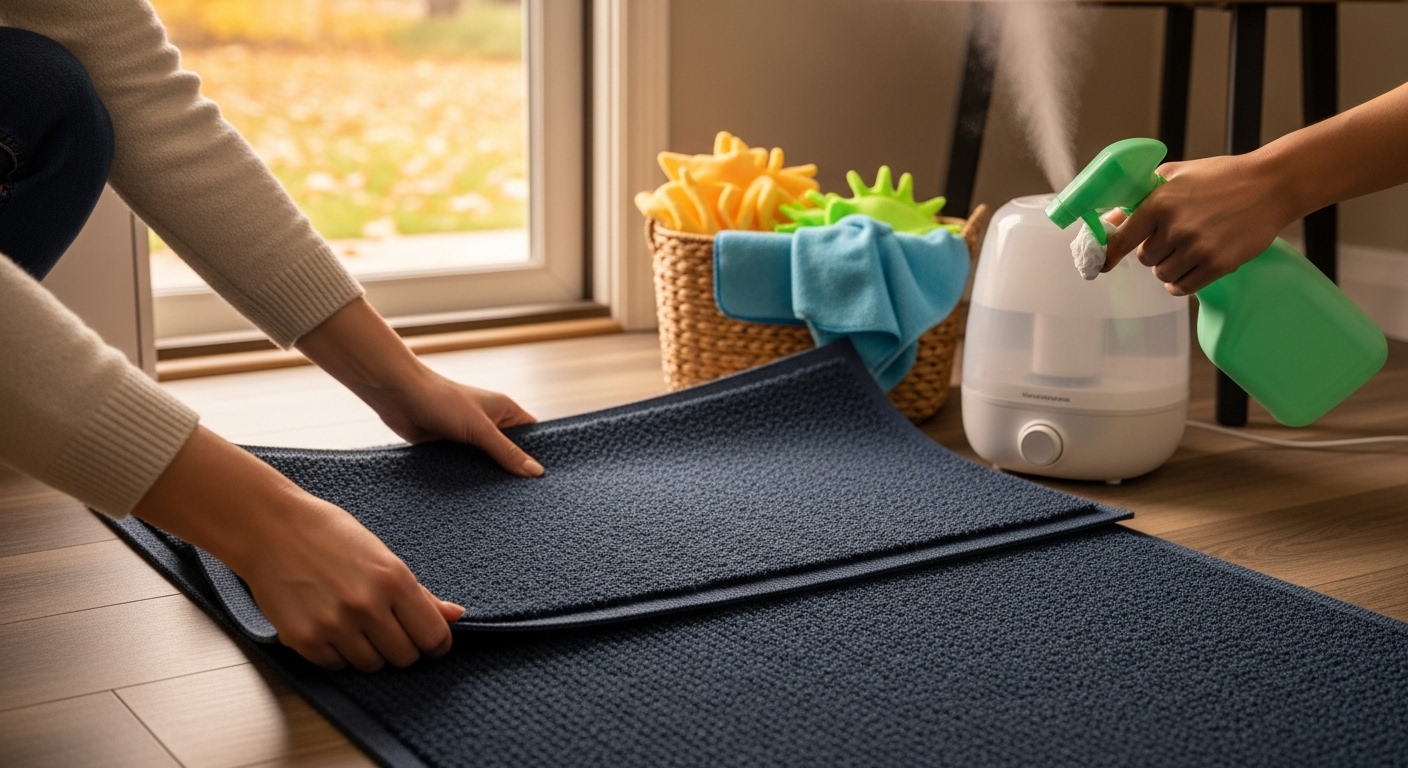
Pre-Winter Deep Clean:
Before the first snow falls, give your floors a thorough cleaning to remove summer's accumulated dirt, pollen, and organic debris. This prevents these materials from mixing with winter salt to create an abrasive slurry. A clean floor going into winter is easier to maintain and less likely to trap damaging grit.
For entryways, alternate mats so one can dry completely while the other is in use. For basements with vinyl or tile, inspect walls and floor edges for early signs of seepage after September rainstorms.
Product-Specific Care Guides
Not all flooring responds the same way to London's seasons. Here's how to tailor your care in ways that protect your finish and reduce long-term wear.
Laminate Flooring Care
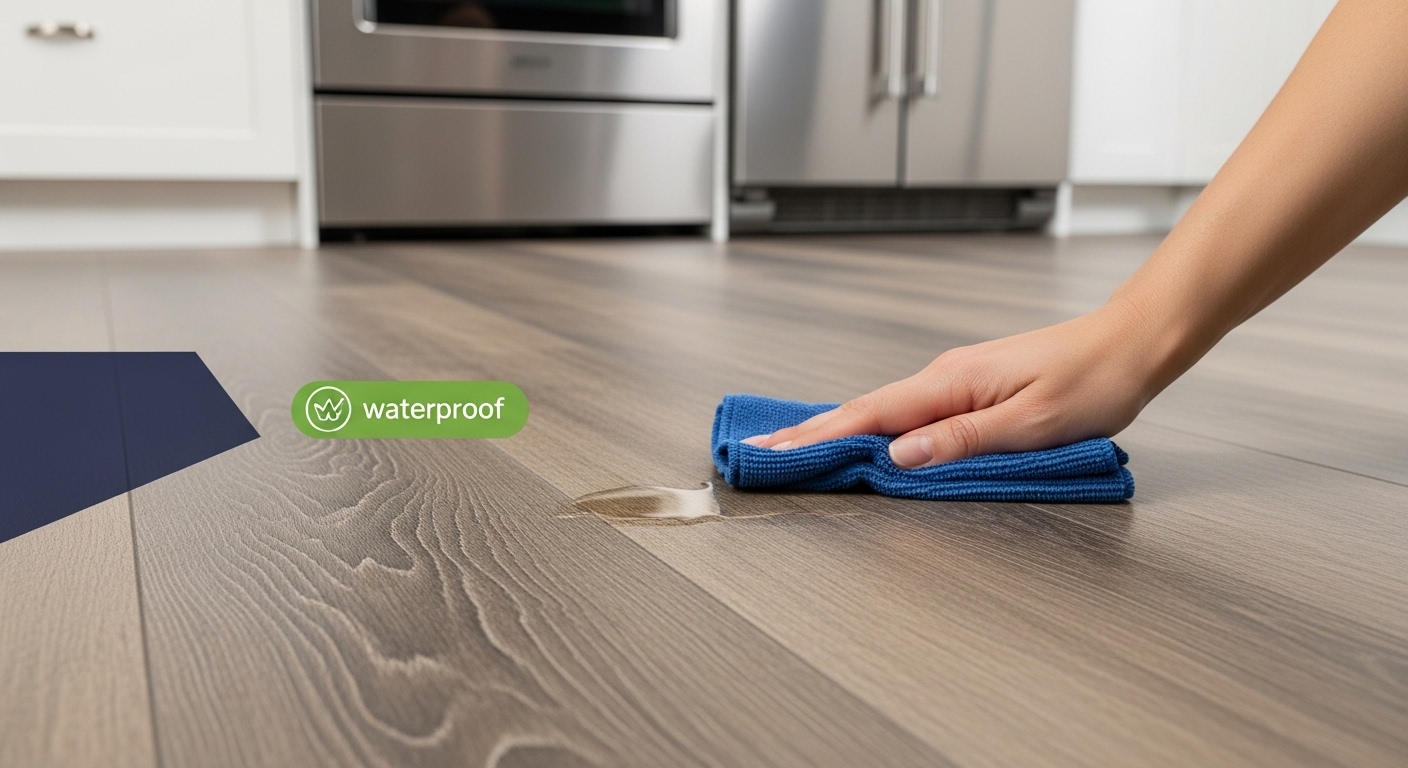
Laminate is durable, but its SPF-coated surface is vulnerable to trapped moisture and abrasive grit. In London, use entryway runners to catch salt and garden dirt, and make sure your cleaning products are designed for floating floors.
- Never steam clean or use excessive water
- Use a barely-damp mop only — wring until almost dry
- In high-humidity months, run a dehumidifier in basement installations to protect the HDF core
- Use felt pads under furniture legs to prevent scratching
- Keep spills on entryway laminate floors contained with a runner or tray until the area can be cleaned
- Swap in a fresh mat after rainy days to stop mud from spreading under shoes
- For detailed pricing and product selection, see our guide to affordable laminate flooring that looks like luxury hardwood
Luxury Vinyl (LVP/SPC) Care
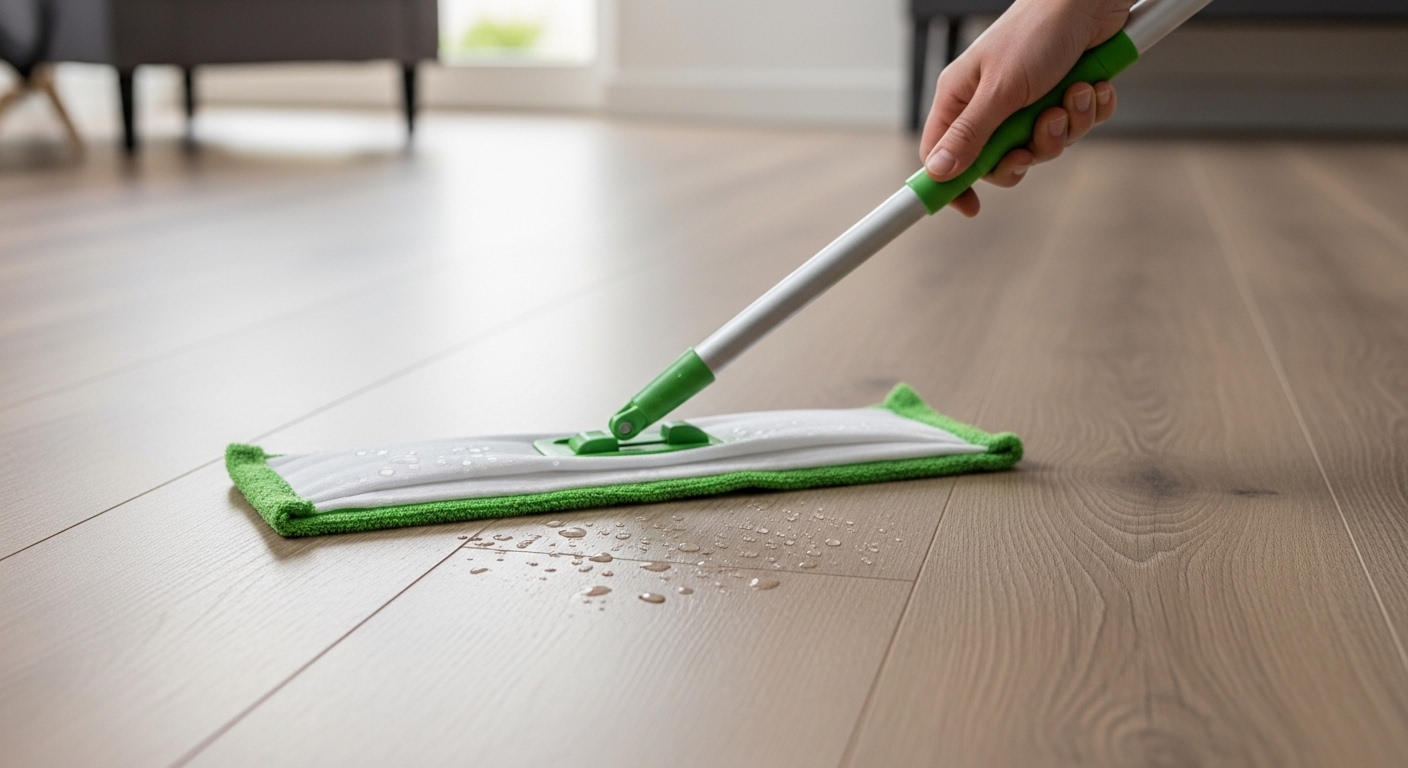
Luxury vinyl is a strong choice for London homes because it resists humidity and handles traffic well. Still, the seams and edges are sensitive to standing water and grime, so keep them clean and dry.
- Avoid oil-based cleaners that leave residue
- For textured finishes, use a soft-bristle brush attachment on your vacuum to lift dirt from embossed grain
- Wipe spills immediately — while waterproof, standing liquid can seep into seams
- Use protective pads under heavy furniture to prevent indentation
- Keep entryways trimmed and debris-free to avoid dragging sharp grit across the surface
Hardwood Flooring Care
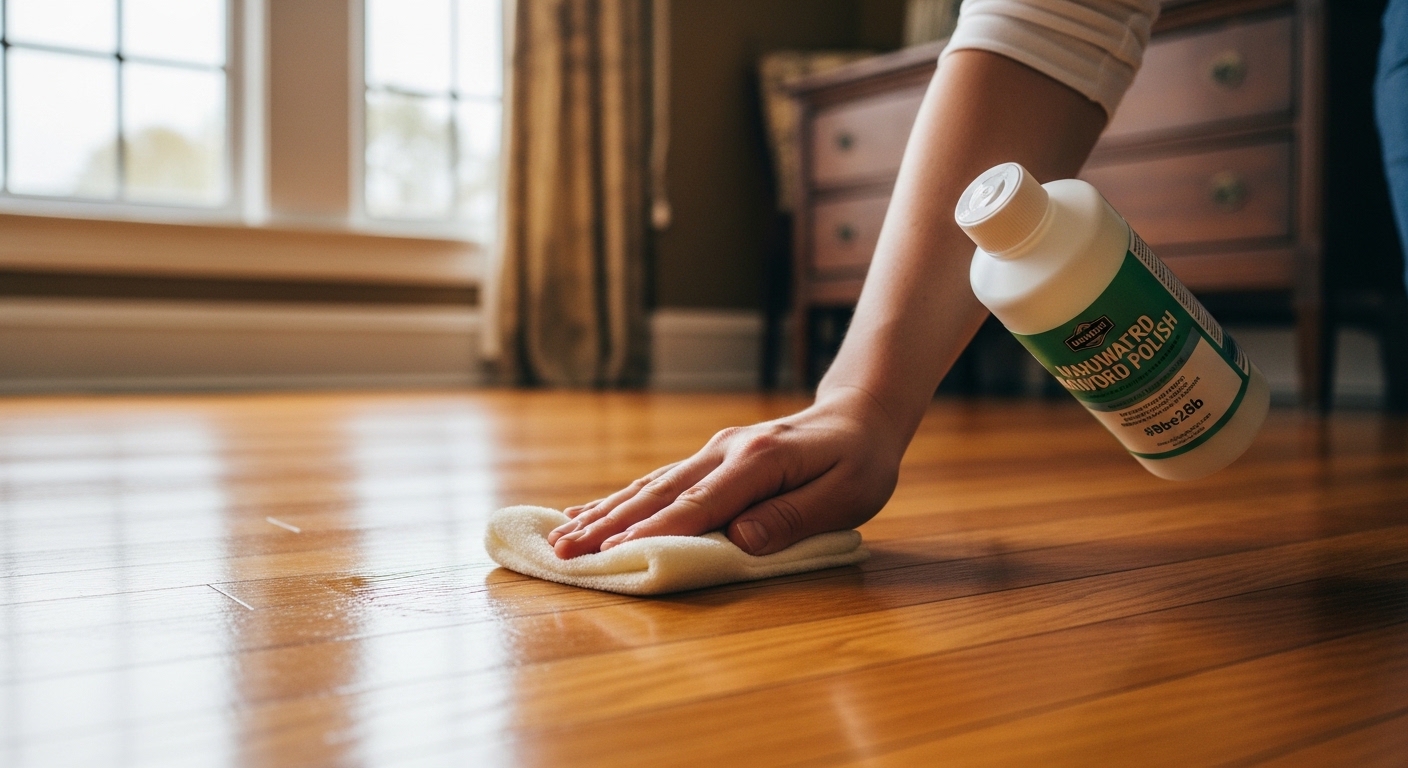
Hardwood is beautiful, but it is also the most sensitive to London's seasonal swings. The key is managing humidity and protecting finish from tracked-in salt, grit, and moisture.
- Maintain consistent humidity year-round (35–55%)
- Address spills immediately — water is hardwood's biggest enemy
- Refinish only when the wear layer is genuinely compromised, not just scuffed
- Use area rugs in high-traffic zones, but avoid rubber-backed mats that trap moisture
- Trim pet nails regularly to minimize scratching
- Keep humidity stable around patio doors and in rooms with lots of glass, which heat up quickly in summer
Tile & Stone Care
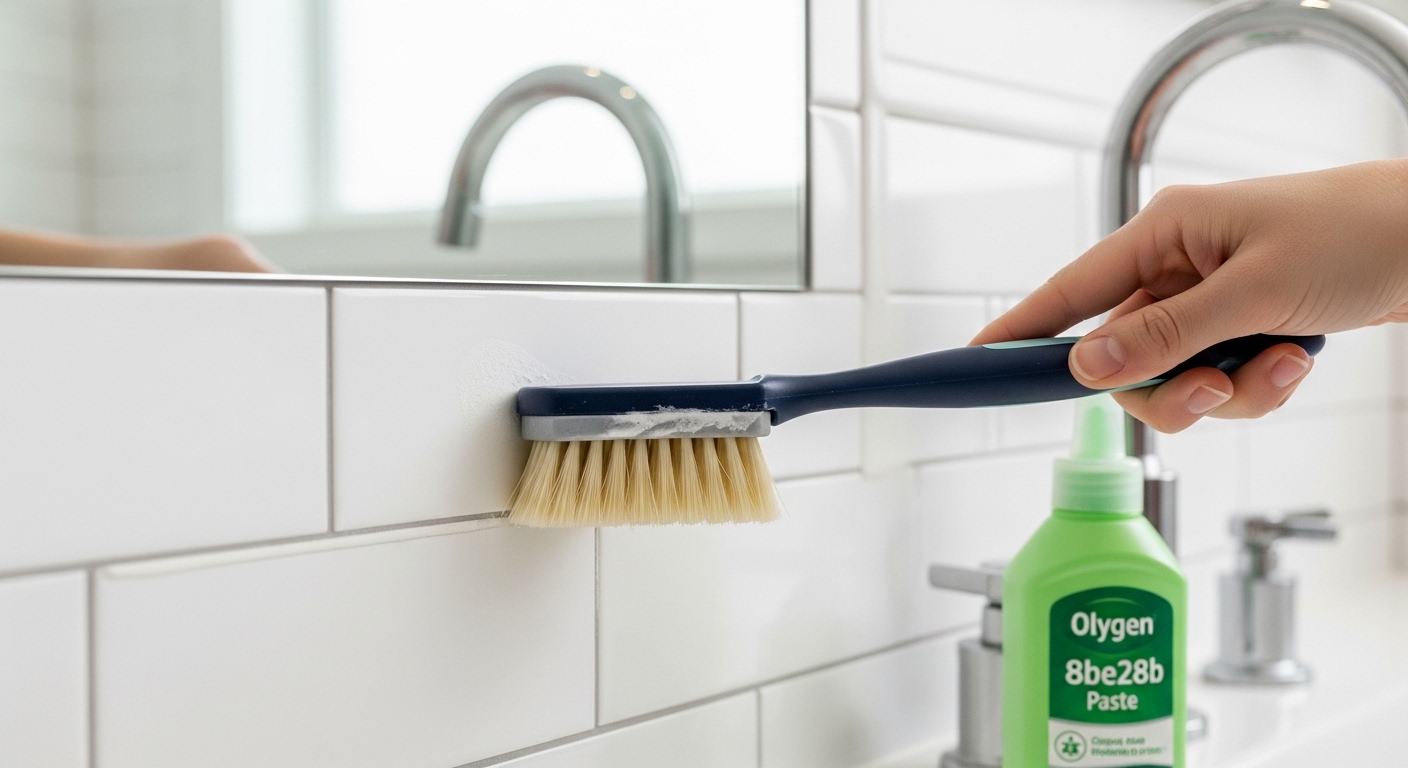
Tile and stone are strong, but grout is the weak link. In London, grout is exposed to salt and moisture year-round, so keeping it sealed and deep-cleaned is the best protection.
- Seal grout annually in wet areas (bathrooms, entries)
- For natural stone like marble or travertine, use pH-neutral cleaners only — acidic products etch the surface permanently
- Sweep or vacuum regularly — grit and sand scratch tile finishes
- Wipe up spills immediately, especially wine, coffee, or acidic liquids
- Explore our tile flooring collection for products with built-in stain resistance
- Use a dense doormat at exterior entrances to stop salt and dirt before they reach grout
The best flooring maintenance isn't about perfection — it's about consistency. Ten minutes of proactive care each season prevents hours of corrective work later.
Protecting Your Warranty and Records
One of the most overlooked parts of flooring care is paperwork. Keep product labels, installation receipts, warranty paperwork, and maintenance notes together. This makes it easy to prove you followed manufacturer guidance if a claim is ever needed.
- Keep a photo log of your floors each season
- Record humidity readings and maintenance dates in a simple notebook
- Save receipts for cleaning products and professional services
- Follow manufacturer recommendations exactly — using the wrong cleaner can void a warranty
Common Flooring Problems & Seasonal Solutions
Problem: Gapping in Hardwood (Winter)
Cause: Low humidity causes wood to contract.
Solution: Run a humidifier to maintain 35-45% humidity. Gaps typically close when humidity rises in spring. If gaps persist beyond spring, consult a professional.
Problem: Cupping or Crowning (Summer)
Cause: Excess moisture from high humidity or water intrusion.
Solution: Identify and eliminate moisture source. Run dehumidifiers. Minor cupping may resolve on its own; severe cases require professional assessment.
Problem: Clicking or Movement in Laminate (Winter)
Cause: Extreme dryness causing plank contraction.
Solution: Increase humidity to 35-45%. Ensure proper expansion gaps were installed. Movement should decrease as humidity stabilizes.
Problem: Hazy Film on Vinyl (Winter)
Cause: Salt residue and cleaner buildup.
Solution: Clean with vinyl-specific cleaner and rinse thoroughly with clean water. Avoid using too much product.
Problem: Discolored Grout (Year-Round)
Cause: Dirt accumulation, moisture, or lack of sealing.
Solution: Deep clean with oxygen-based cleaner, rinse thoroughly, and reseal. Maintain with regular cleaning and immediate spill cleanup.
Essential Tools & Products for London Homeowners
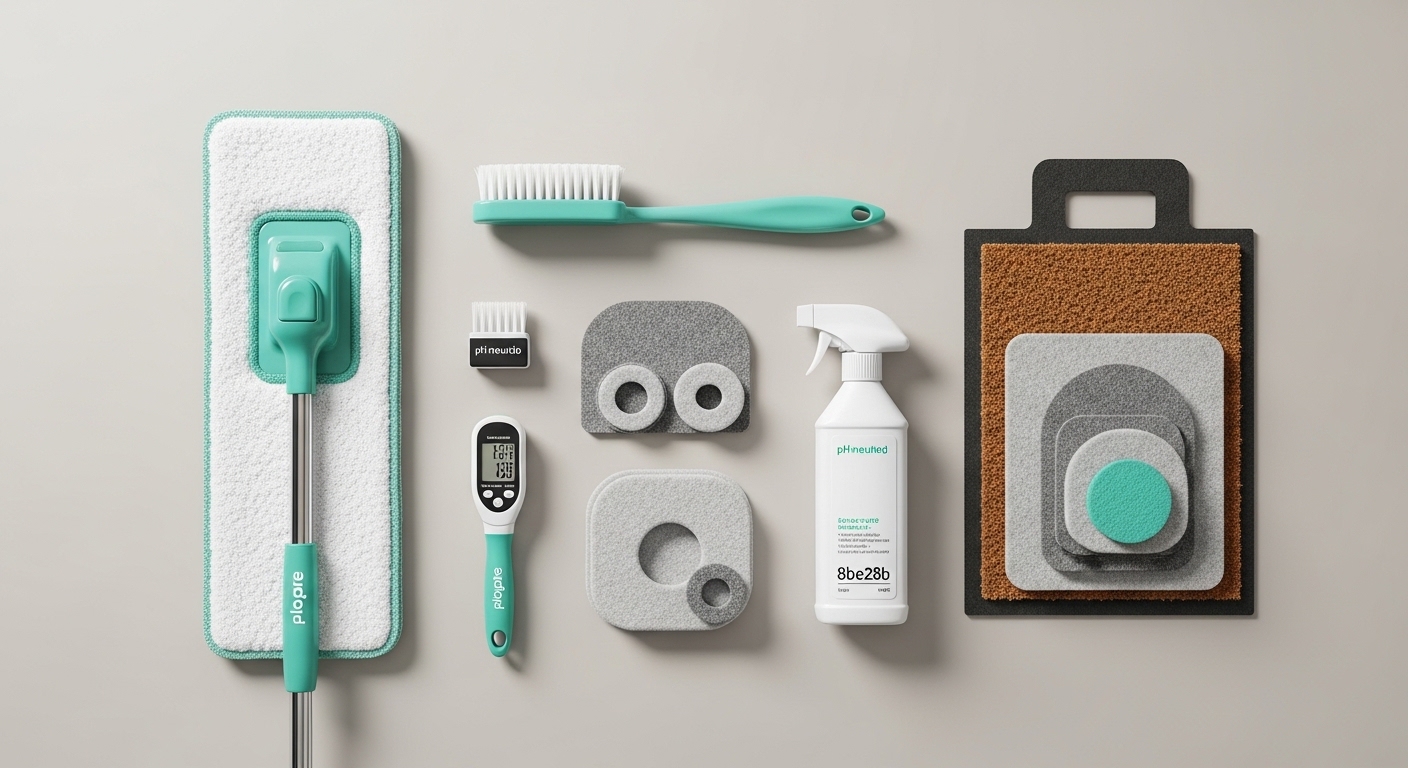
Having the right tools makes seasonal maintenance faster and more effective. Here's what every London homeowner should have:
Cleaning Tools:
- Microfibre mop with washable pads (2-3 pads minimum)
- Soft-bristle brush for grout cleaning
- Vacuum with adjustable height and soft brush attachment
- Microfibre cloths for spot cleaning
- Wet/dry vacuum for emergency water removal
Climate Control:
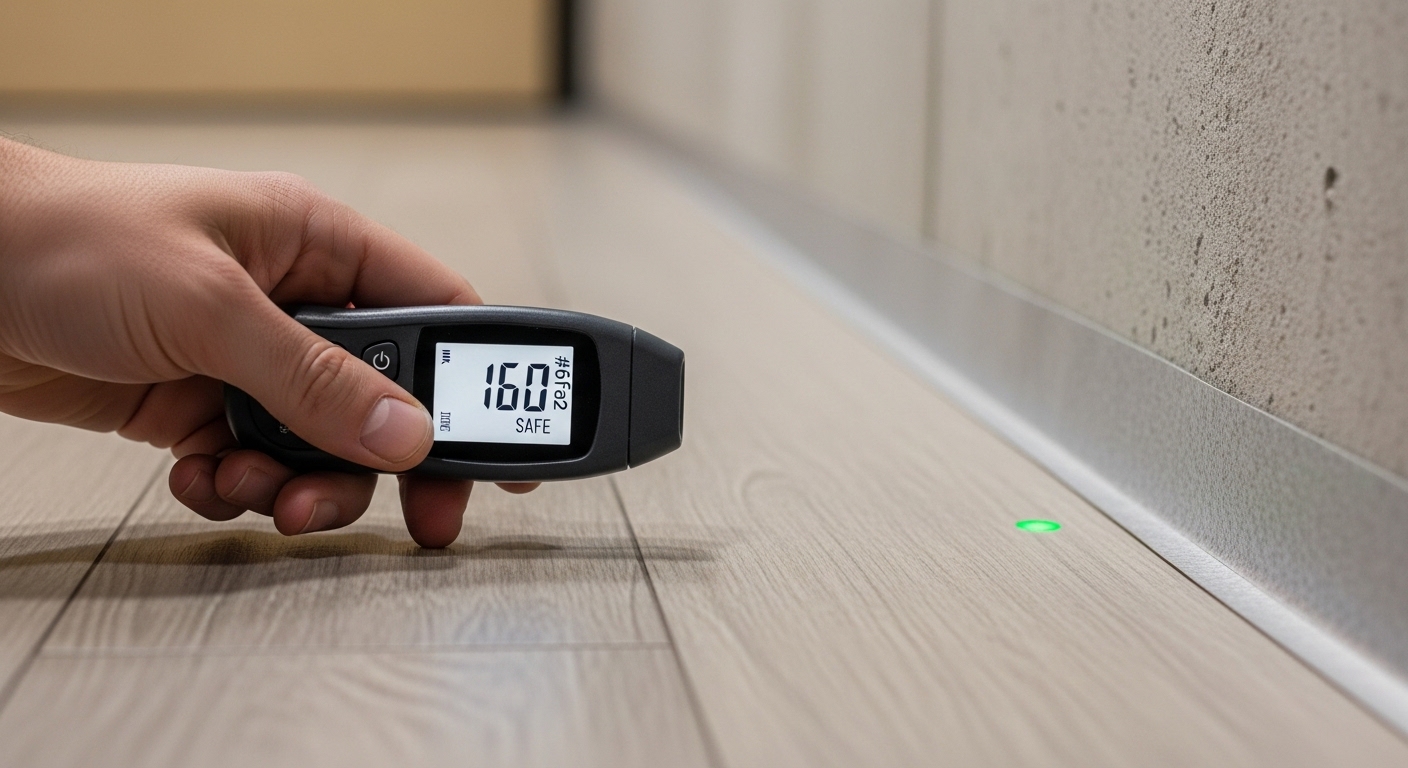
- Hygrometer to monitor humidity (digital models are most accurate)
- Humidifier for winter (cool-mist models are safest)
- Dehumidifier for summer (especially basements)
Protection:
- Heavy-duty entry mats (minimum 36" width)
- Felt furniture pads in various sizes
- Area rugs for high-traffic zones
- Boot trays for entryways
Cleaning Products:
- pH-neutral floor cleaner (safe for all floor types)
- Flooring-specific cleaner for your floor type
- Grout sealer (annual application)
- Hardwood floor polish (as needed)
For budget-conscious homeowners, see our 2026 flooring budget guide for tips on balancing quality and cost.
Download Your Free London Flooring Care Checklist
To make this actionable, we've created a printable, fridge-friendly checklist summarizing all seasonal tasks — organized by flooring type and month. It includes space to note your home's specific humidity targets, product warranties, and professional service dates.
👉 Download your free London Flooring Maintenance Checklist here
Keep it visible, share it with family members, and turn seasonal care into a simple habit — not a chore.
When to Call a London Flooring Professional
Some issues go beyond DIY care. Contact a local specialist if you notice:
- Buckling, cupping, or significant gapping in wood or laminate
- Persistent musty odours or visible mold near flooring edges
- Seam separation in vinyl that doesn't resolve with gentle pressure
- Grout that's crumbling or discolored despite cleaning
- Any moisture intrusion after heavy rain or snowmelt
- Soft or spongy spots in any flooring type
- Visible water damage or staining that spreads
Early intervention often means a simple repair instead of a full replacement. Our team offers complimentary flooring assessments for London homeowners — no obligation, just honest advice tailored to your home's unique conditions.
Preventive Maintenance Plans
For busy homeowners, we offer seasonal maintenance packages that include:
- Professional inspection and moisture testing
- Deep cleaning appropriate for your flooring type
- Grout sealing (for tile)
- Humidity assessment and recommendations
- Minor repairs and adjustments
- Written report with findings and recommendations
These plans cost a fraction of emergency repairs and extend your flooring's lifespan significantly.
Frequently Asked Questions
How often should I clean my floors in London's climate?
Dry mop or vacuum high-traffic areas 2-3 times weekly. Damp mop weekly during winter (salt season) and bi-weekly during other seasons. Deep clean seasonally as outlined in this guide.
Can I use the same cleaner on all my flooring?
No. Each flooring type has specific requirements. pH-neutral cleaners are safest for most surfaces, but always check manufacturer recommendations. Never use vinegar on stone or wax-based products on laminate.
What humidity level is ideal for London homes?
35-45% in winter, 40-50% in summer. Use a hygrometer to monitor and adjust humidifier/dehumidifier settings accordingly.
How long should my flooring last with proper maintenance?
Quality laminate: 15-25 years. Luxury vinyl: 15-30 years. Hardwood: 30-100+ years (with refinishing). Tile: 50+ years. Natural stone: 100+ years. Proper maintenance can extend these ranges significantly.
Is steam cleaning safe for any flooring type?
Generally no. Steam can damage laminate, hardwood, and vinyl by forcing moisture into seams. Tile is the only surface that might tolerate steam, but even then, it can degrade grout over time. Stick to manufacturer-recommended cleaning methods.
Final Thoughts: Protect Your Investment Year-Round
Your flooring is one of the largest investments in your London home. The difference between a floor that lasts 10 years and one that lasts 25 often isn't the quality of the material — it's the consistency of care. London's unique climate demands vigilance, but the effort pays off in beauty, functionality, and resale value.
By following this seasonal maintenance calendar, you'll:
- Extend your flooring's lifespan by years
- Maintain its appearance and performance
- Protect your home's resale value
- Avoid costly emergency repairs
- Create a healthier living environment
Ready to protect your investment year-round? Book a free consultation and let's create a maintenance plan that works for your floors, your schedule, and London's ever-changing seasons. Whether you need advice on commercial-grade solutions for high-traffic areas or luxury stone care, our team is here to help.
Remember: the best time to start proper floor maintenance is today. Your future self will thank you when your floors still look stunning a decade from now.